Every major trading market, Justin Herzig argues, eventually grows an expert layer—the place people go to learn, compare notes, and get better. Daily fantasy had RotoGrinders; sports betting has Action Network; equities have Seeking Alpha and TradingView. Prediction markets, now sitting on regulatory clarity and billions in volume, still don't have one. "Every major market has grown an expert layer, and that's what we intend to be for prediction markets," he said.
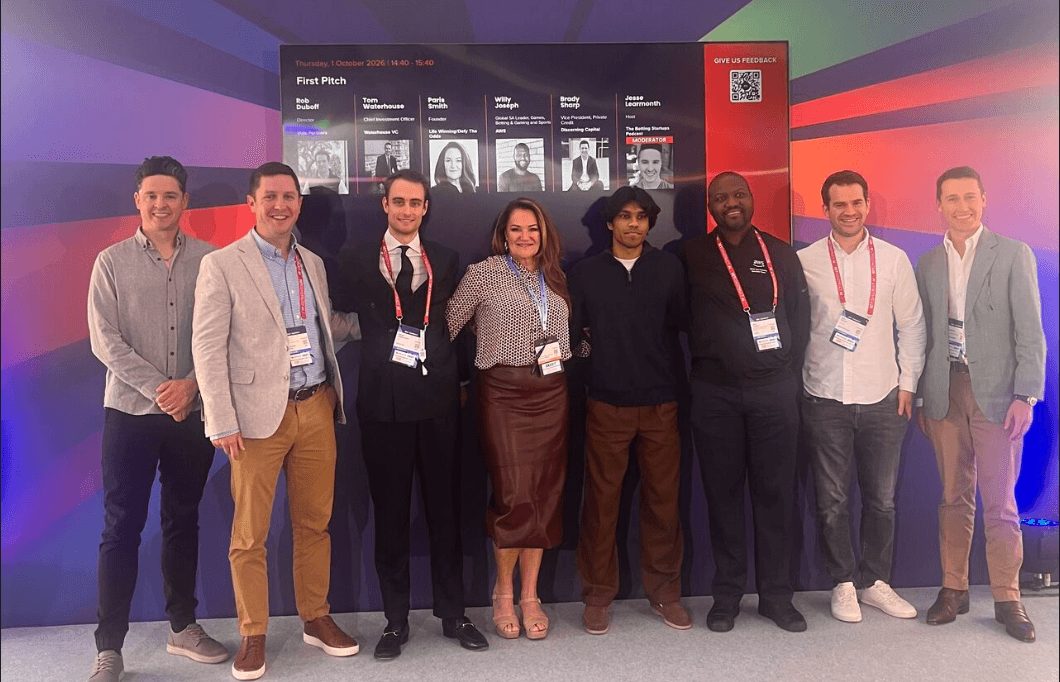
That gap is what he and Cameron MacMillan are building PredictQ to fill. The two are St. Petersburg, Florida neighbors and industry veterans—MacMillan co-founded RotoGrinders and rode the DFS boom to an exit, while Herzig led blockchain strategy at Capital One, built a sports-collectibles analytics startup, and first got into prediction markets nearly a decade ago through Augur. MacMillan calls it coming out of a short-lived retirement to team up.
PredictQ pitches itself as where traders discover, research, and eventually trade prediction markets. The problem it's built around is blunt—roughly 70% of retail traders lose money on Kalshi and Polymarket. PredictQ's answer is content, tools, and community organized around the four stages Herzig sees in a trader's cycle, from finding a market to analyzing it, getting the best price and platform, then managing a portfolio across sites. A phase-one affiliate model deep-links traders out to exchanges, with on-site trading planned to follow.
What makes the bet interesting is who PredictQ isn't chasing. Herzig counts more than thirty companies circling the same opportunity, most of them building the "Bloomberg for prediction markets" for professional traders. "No one is going after that seventy percent of traders I mentioned who lose and leave," he said. That larger, less sophisticated market is the one PredictQ wants, and the one its founders know best from their DFS years.
A big piece of the plan leans on transparency. Having watched scam touts photoshop fake betting slips in the sports betting era, Herzig sees prediction markets' open trading histories as the fix. "Actual experts can prove their track record by showing their trading history," he said, describing cross-platform leaderboards that could one day hand a weather trader a verifiable rating the way PFF grades a player. MacMillan is rerunning the RotoGrinders community playbook around it—bringing back familiar names, launching contests, and a Discord that's already live.
For now the company is capitalized for the long game. PredictQ set out to raise $500,000 and closed 20% oversubscribed, giving it about eighteen months of runway. Herzig frames the near-term goal without hedging. "Twelve months from now, the goal is that you can't be serious about prediction markets and not have a PredictQ account," he said. The five-year version is simpler—become the expert layer every big market eventually gets, and the one prediction markets are still missing.
Disclosure: BettingStartups Capital is an investor in PredictQ.
Listen to the full podcast on YouTube, Spotify, and Apple Podcasts.